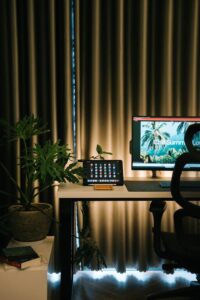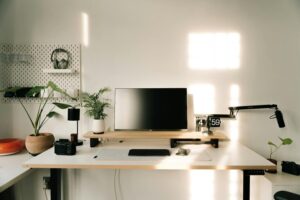







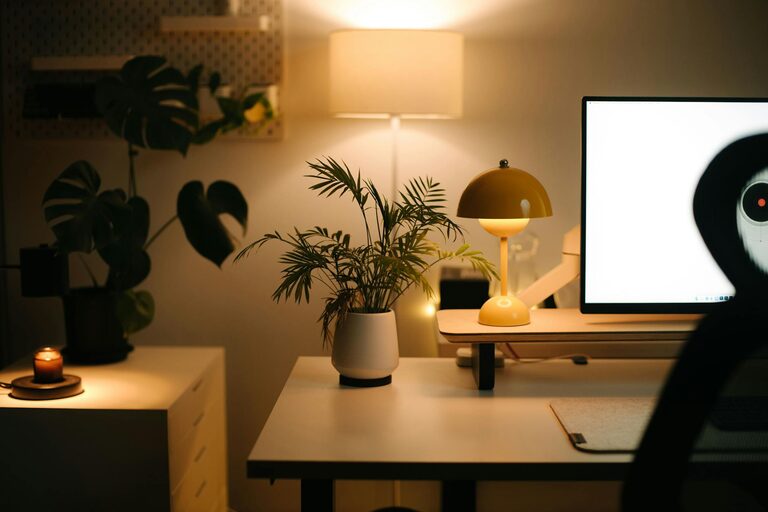
Creating a relaxing home office environment is essential for maintaining focus, reducing stress, and ultimately boosting productivity. Whether you work remotely full-time or occasionally need a quiet spot to handle tasks, your workspace should blend comfort and functionality. In this post, we’ll explore useful tips to transform your home office into a peaceful haven that invites creativity and efficiency.
Choose the Right Location
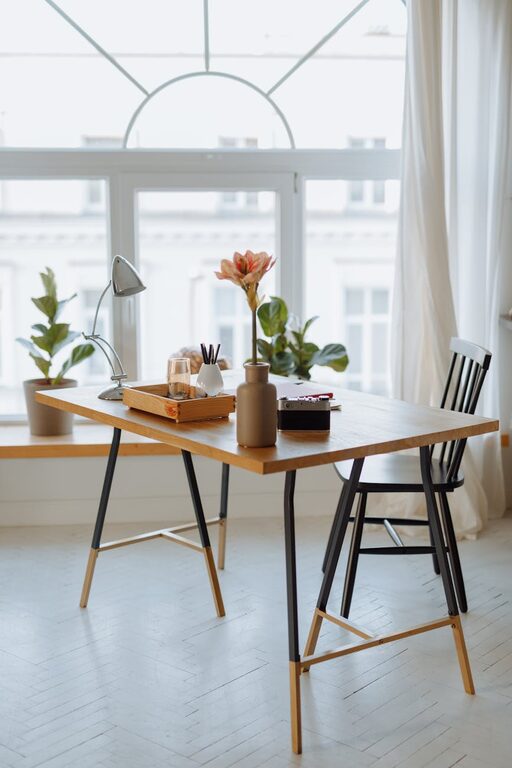
Selecting where to set up your home office is the first step toward creating a relaxing space. Ideally, pick a quiet area that receives plenty of natural light. Natural light not only brightens your workspace but also positively affects mood and energy levels.
If you don’t have a separate room available, try to carve out a dedicated corner or nook. Use room dividers or curtains to define your workspace if needed. The goal is to minimize distractions and create a sense of separation from the rest of your home life.
Invest in Comfortable Furniture
Comfort is key when spending long hours working. Invest in an ergonomic chair that supports good posture to prevent back pain. Pair it with a desk at the right height to avoid straining your wrists and shoulders.
If possible, consider a sit-stand desk to allow for movement throughout the day. Adding a footrest or cushioned floor mat can further enhance comfort.
Declutter and Organize
A cluttered desk can lead to a cluttered mind. Keep your home office organized by limiting items on your desk to essentials only. Use storage solutions such as shelves, filing cabinets, or drawer organizers to keep paperwork and supplies neat.
Label boxes or folders to make it easy to find what you need. Regularly take time to tidy up your space, as maintaining order helps foster a calm and productive atmosphere.
Personalize Your Space
Adding personal touches can make your office feel more inviting. Incorporate items that inspire you, like artwork, motivational quotes, or family photos. However, avoid overcrowding the space, as too many decorations can be distracting.
Choose soothing colors for your walls or décor. Shades like soft blues, greens, or neutrals tend to promote relaxation and focus.
Incorporate Natural Elements
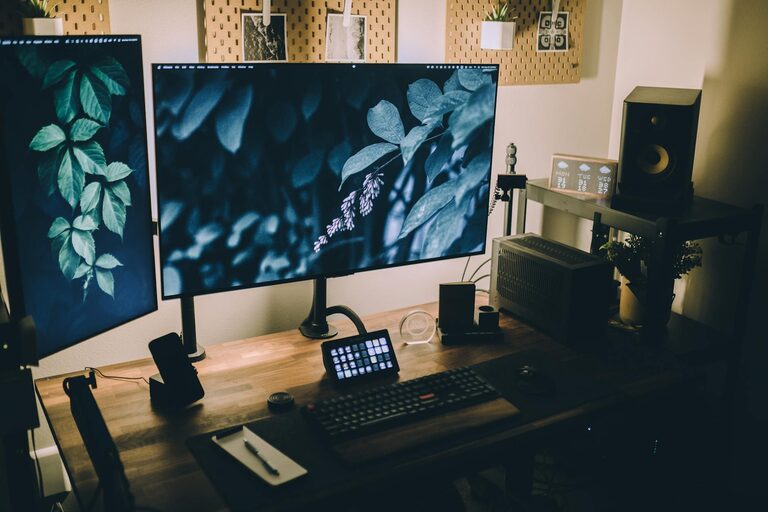
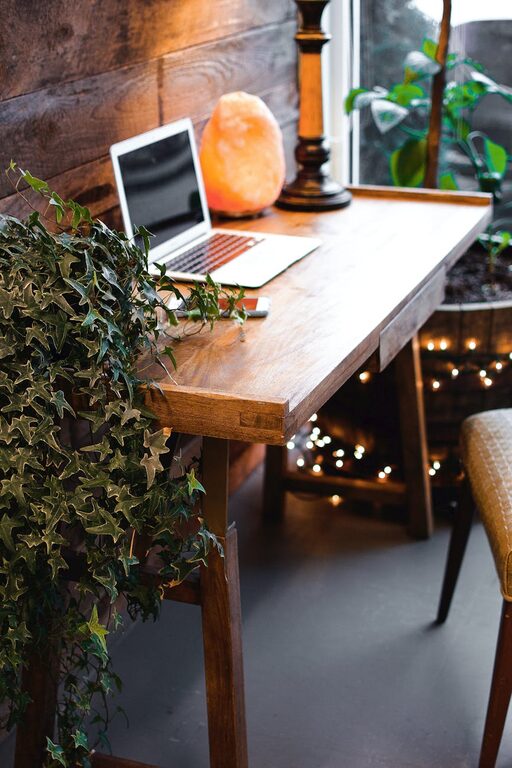
Bringing nature into your workspace can have calming effects. Place a few houseplants around your office to improve air quality and add greenery. Plants such as succulents, spider plants, or peace lilies are low-maintenance options.
If real plants aren’t feasible, nature-themed artwork or natural materials like wood and stone can create a similar vibe.
Manage Lighting Thoughtfully
Proper lighting helps reduce eye strain and sets the mood. Combine natural light with adjustable artificial lighting. A desk lamp with adjustable brightness allows you to tailor lighting to different tasks.
Avoid harsh overhead lights that can create glare. Using warm-toned bulbs can make your office feel cozier and less clinical.
Control Noise Levels
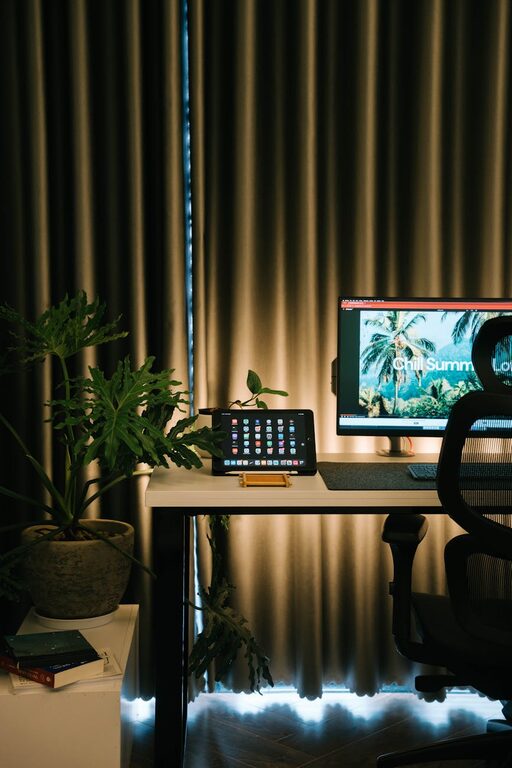
Noise can be a major distraction. If your home office is in a noisy area, consider soundproofing options such as heavy curtains, rugs, or acoustic panels. Noise-cancelling headphones can also help maintain concentration.
Playing soft instrumental music or ambient sounds like ocean waves can create a soothing background.
Set Boundaries and Routine
To keep your home office relaxing, establish clear boundaries between work and personal life. Define your working hours and communicate them with family or housemates.
Create a morning routine to signal the start of your workday, such as a cup of tea or a few minutes of stretching. At the end of your day, tidy your desk and power down devices to mentally transition out of work mode.
Add Scents for Calmness
Aromatherapy can enhance relaxation and focus. Using a diffuser with essential oils like lavender, peppermint, or eucalyptus can create a pleasant atmosphere.
Be mindful of scents you or others may be sensitive to. Alternatively, scented candles or air fresheners with mild fragrances are also good options.
Equip Your Space with Necessary Technology
Ensure your home office has all the technology you need to work efficiently. Reliable internet, a quality monitor, and a comfortable keyboard and mouse can prevent frustration.
Keep cables organized and out of sight to maintain a tidy and calm environment.
—
By incorporating these tips, your home office can become a space where you feel comfortable, calm, and productive. Taking care to design an environment that suits your style and work habits can make a big difference in how you approach each workday. Whether you’re setting up a small corner or an entire room, making your workspace relaxing is an investment in your well-being and success.