






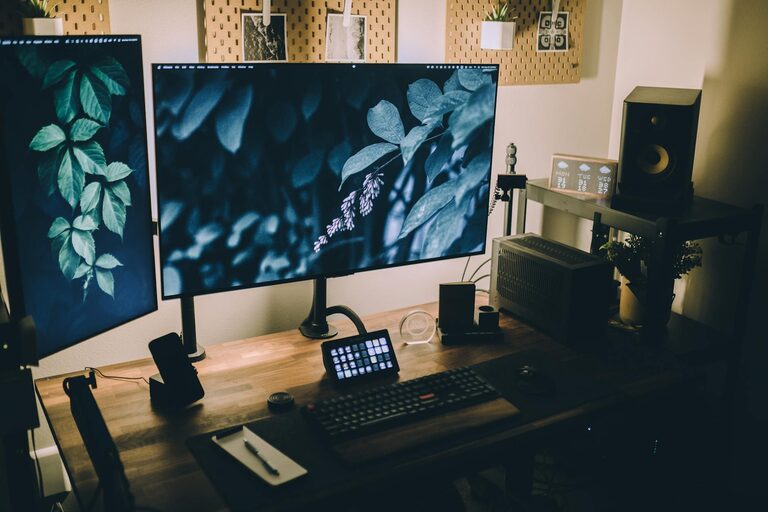
Creating a cozy and functional home workspace is essential for maintaining productivity and comfort, especially as many of us spend more time working from home. A well-designed workspace can boost focus, reduce stress, and make your workday more enjoyable. In this post, we’ll explore practical tips to help you set up a home office that feels inviting and supports your work needs.
Choose the Right Location
Consider Natural Light
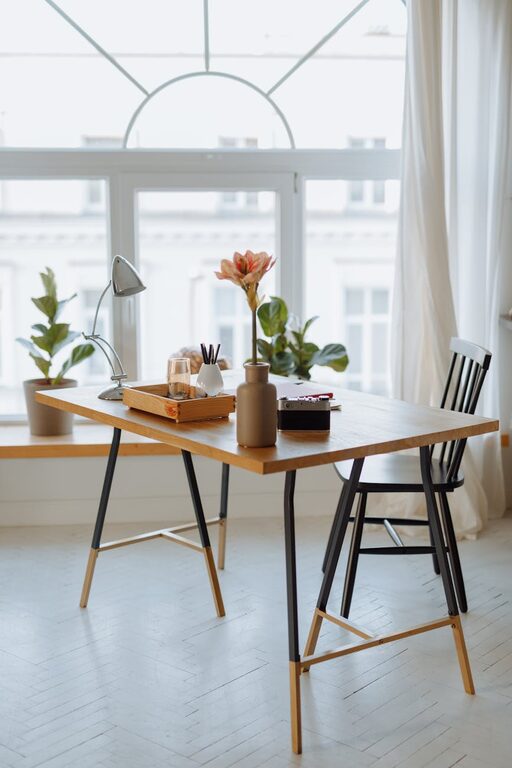
Natural light has a positive impact on mood and alertness. When selecting a spot for your workspace, try to pick a location near a window. This will help you feel more energized throughout the day and reduce eye strain.
Minimize Distractions
Pick a quiet area away from high-traffic zones in your home. Having a dedicated, low-traffic space helps signal to yourself and others that you’re working, which can improve focus.
Evaluate Space Needs
Consider how much room you need for your work tasks. Do you require a large desk for multiple monitors or just a laptop? Make sure the space can accommodate your equipment comfortably.
Invest in Comfortable Furniture
Ergonomic Chair
A supportive chair is crucial. Look for one with good lumbar support and adjustable height. Comfort prevents back pain and helps maintain good posture during long hours.
Desk Selection
Choose a desk that fits your space but also meets your work requirements. Options like adjustable standing desks can allow you to switch positions and reduce fatigue.
Organize with Shelves and Drawers
Keep your workspace tidy with storage solutions such as shelves, drawers, or filing cabinets. Organized spaces reduce clutter and help you find things quickly.
Optimize Lighting
Combine Natural and Artificial Lighting
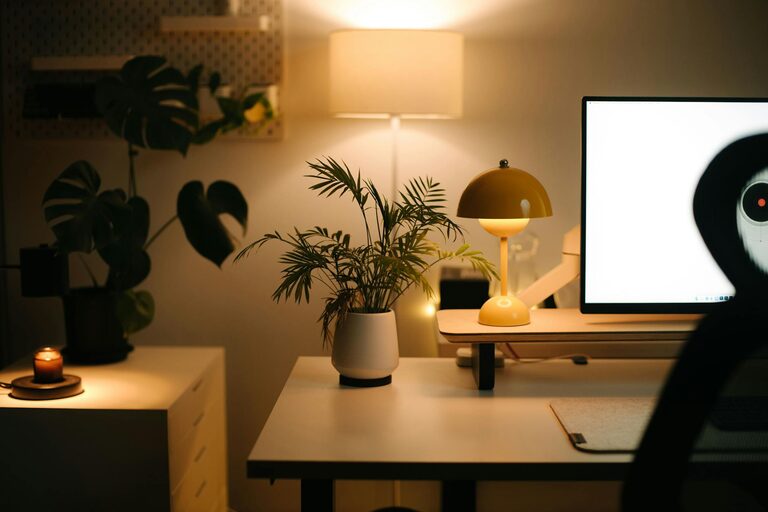
If natural light is limited, add layered lighting for balance. Use a desk lamp with adjustable brightness focused on your work area, and consider soft ambient lighting to warm the room.
Avoid Glare
Position your monitor perpendicular to windows to prevent glare on the screen. This reduces eye strain and makes it easier to see your work clearly.
Personalize Your Space
Add Comfortable Textiles
Incorporate soft elements like a cozy rug, cushions, or a throw blanket. These items add warmth and can make your workspace feel more inviting.
Include Plants
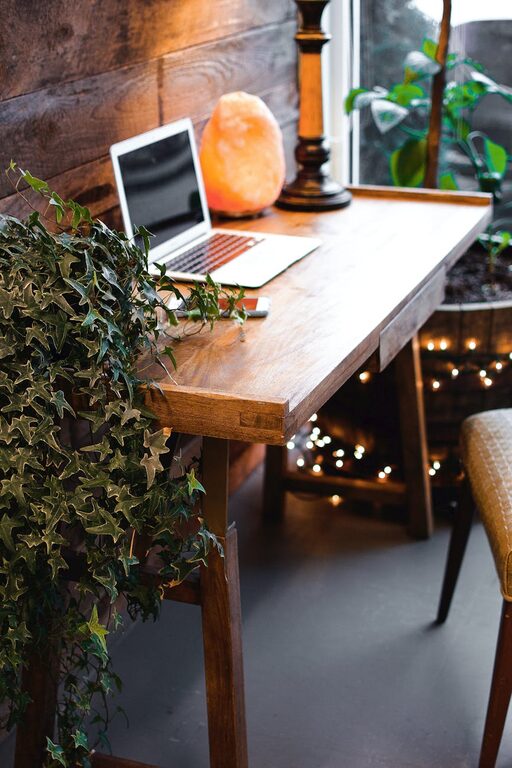
Adding greenery not only beautifies the space but can improve air quality and reduce stress.
Display Inspiration
Inspire yourself with artwork, photos, or motivational quotes. Personal touches make the space uniquely yours and encourage creativity.
Maintain Organization
Use Cable Management
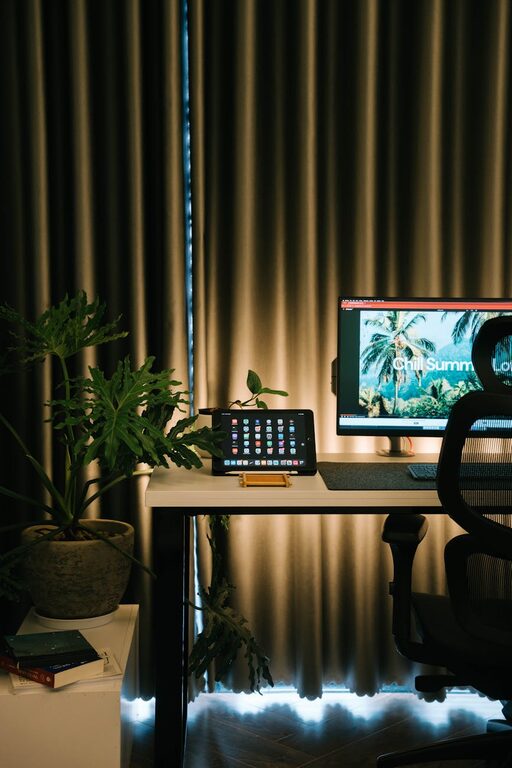
Messy cables can be distracting. Use clips, ties, or cable boxes to keep cords neat and out of sight.
Declutter Regularly
Set aside a few minutes at the end of each day to tidy your desk and put away items. A clear workspace promotes a clear mind.
Utilize Desk Organizers
Use trays, pen holders, and document organizers to keep essential tools within reach but neatly arranged.
Create Boundaries for Work and Rest
Define Work Hours
Set specific start and end times for your workday to avoid burnout. Clear boundaries help separate professional and personal time.
Set a ‘Close’ Routine
At the end of your workday, shut down your computer, store work materials, and tidy your space. This practice signals that the workday has ended.
Avoid Multitasking in Your Workspace
Keep your workspace dedicated to work tasks only. Avoid eating or watching TV at your desk to maintain mental association with productivity.
Incorporate Technology Thoughtfully
Reliable Internet Connection
A stable and fast internet connection is a must for virtual meetings and accessing online resources.
Quality Accessories
Use noise-canceling headphones for focus or virtual meetings. Invest in a good keyboard and mouse for comfort and efficiency.
Backup Power Solutions
Consider having a surge protector or an uninterruptible power supply (UPS) to protect your equipment from outages.
Final Thoughts
Designing a home workspace that blends coziness with functionality takes thoughtful planning, but the benefits are well worth the effort. By choosing an ideal location, investing in comfortable furniture, optimizing lighting, personalizing your space, and staying organized, you create an environment supportive of both your work and well-being. Remember, your workspace should evolve with your needs, so feel free to adjust it over time to keep it fresh and inspiring.